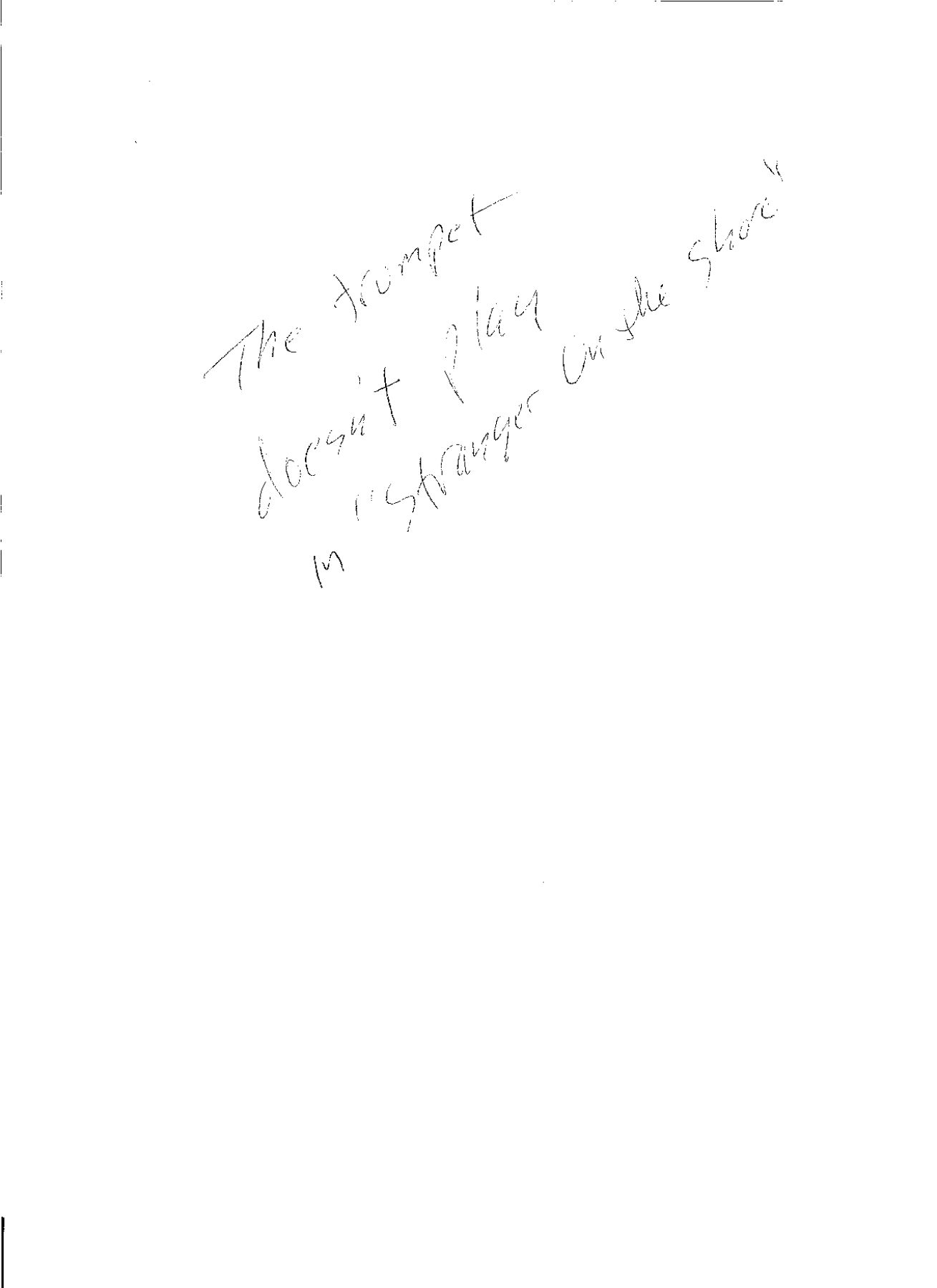
Stranger On The Shore (comp. Acker Bilk) sheet music preview

Stranger On The Shore (comp. Acker Bilk)

Composed by Acker Bilk

Arranged by Unknown Arranger

  • Ensemble: Small Ensemble
  • Style: Jazz Standard
  • Pages: 8
  • Difficulty: easy
  • Content: Sheet Music
  • Format: PDF Download (Instant)
  • Price: $12.99

Acker Bilk's "Stranger On The Shore," composed in 1961, stands as an iconic instrumental piece that transcended its origins in the British trad jazz scene to become a global phenomenon. Originally titled "Jenny" after Bilk's daughter, the melancholic clarinet melody gained widespread fame as the theme music for a BBC television series of the same name. Its release in October 1961 saw it spend an impressive 55 weeks on the UK charts, peaking at number two, and it made history in 1962 by becoming the first UK act to reach number one on the US Billboard Hot 100 in the modern era, predating the British Invasion. The piece is characterized by its wistful, airy tones and Bilk's distinctive "liquorice stick" clarinet sound, often accompanied by silken strings in its original recording. It embodies the easy-listening and trad jazz trends of the early 1960s, a testament to its enduring appeal across various musical tastes. Duke Ellington, Chet Baker, and Herb Alpert are among the many artists who have covered this timeless melody, cementing its status as a beloved jazz standard. This small ensemble arrangement captures the essence of Bilk's original while offering a fresh, intimate interpretation suitable for a jazz combo setting. The Unknown Arranger, known for their meticulous attention to harmonic detail and melodic integrity, approaches "Stranger On The Shore" with a delicate touch, preserving its inherent wistfulness. The arrangement is set in a slow ballad tempo, likely around 60-70 beats per minute, allowing for expressive phrasing and rich harmonic exploration. While the original was often characterized by its string accompaniment, this arrangement re-imagines the piece for a small jazz ensemble, focusing on sophisticated voicings and subtle interplay between the instruments. Expect extended harmonies that add depth and color without detracting from the melody's simplicity, a hallmark of this arranger's style. The melody is primarily carried by a lead instrument, likely a trumpet or saxophone, allowing for a clear and lyrical presentation of Bilk's haunting tune. There are ample opportunities for featured solos, typically over the song's established chord changes, providing space for individual improvisation and interpretation. Technical challenges are moderate, focusing more on breath control, sustained tone, and expressive dynamics rather than rapid-fire technical passages. The rewarding aspect of performing this arrangement lies in its emotional depth and the opportunity for musicians to truly "sing" through their instruments, creating a cohesive and moving musical narrative. Specific musical moments that stand out include the reharmonized bridge sections and the subtle counter-melodies woven throughout, which add layers of interest. This arrangement is ideally suited for college, community, and professional small jazz ensembles. Its emphasis on melodic interpretation, harmonic sophistication, and expressive performance makes it an excellent choice for developing musicians looking to refine their ballad playing, as well as for seasoned professionals seeking a beautiful and engaging piece for their repertoire. The small ensemble format encourages close listening and nuanced interaction among musicians, fostering a deeper understanding of ensemble playing and musical communication. The eight-page score suggests a concise yet comprehensive treatment, providing enough material for a compelling performance without being overly lengthy. This arrangement of "Stranger On The Shore" thrives on expressive nuance and a cohesive ensemble sound. The primary technical challenge lies in maintaining a consistent, warm tone throughout the slow ballad tempo, typically around quarter note = 60-70 BPM, allowing the melody to breathe and unfold naturally. Musicians should focus on long, sustained notes with controlled vibrato and precise intonation, especially within the extended harmonies. Phrasing should be lyrical and connected, emulating the vocal quality of the original clarinet performance. Pay close attention to dynamic markings, utilizing a wide range from *pianissimo* to *mezzo forte* to enhance the emotional arc of the piece. For the rhythm section, a delicate touch is paramount. The bass should provide a smooth, walking line or sustained pedal tones, supporting the harmony without overpowering. Piano voicings should be sparse and rich, emphasizing the upper extensions. Drummers should use brushes or mallets, focusing on a soft, flowing feel that propels the music gently forward without a strong backbeat. Any featured soloists should prioritize melodic development and emotional content over technical display. Rehearsal time should be dedicated to blending, balance, and ensuring that the ensemble breathes together, treating each phrase as a collective statement. Q: What instruments/parts are included in this small ensemble arrangement? A: This small ensemble arrangement typically includes parts for a lead melodic instrument (e.g., trumpet or saxophone), a harmony instrument (e.g., another saxophone or trombone), and a standard jazz rhythm section (piano, bass, and drums). Q: What is the difficulty level of this arrangement? A: This arrangement is rated as moderate to advanced. While technically not overly demanding in terms of speed, it requires strong musicianship, excellent tone control, precise intonation, and a developed sense of lyrical phrasing and harmonic understanding. Q: What musical style and historical context does "Stranger On The Shore" represent? A: "Stranger On The Shore" is a classic jazz standard from the early 1960s, embodying the easy-listening and trad jazz styles of that era. It is known for its melancholic, lyrical melody and was a significant international hit for Acker Bilk. Q: What makes this particular arrangement unique? A: This arrangement offers a sophisticated re-imagining of the classic tune for a small jazz ensemble, focusing on rich, extended harmonies, subtle counter-melodies, and ample opportunities for expressive soloing, all while preserving the original's wistful character. Q: What is the typical performance duration or tempo for this piece? A: Performed as a slow ballad, this arrangement typically maintains a tempo of approximately quarter note = 60-70 BPM, resulting in a performance duration of around 3 to 5 minutes, depending on the number and length of improvised solos.

Musicians Also Search For

Stranger On The Shore Unknown Arranger PDFStranger On The Shore Unknown Arranger sheet musicStranger On The Shore arranged by Unknown ArrangerUnknown Arranger small ensemble chartsUnknown Arranger jazz arrangements PDFStranger On The Shore Acker Bilk sheet musicStranger On The Shore Acker Bilk small ensemble arrangementAcker Bilk small ensemble chartsStranger On The Shore small ensemble arrangementStranger On The Shore small ensemble PDF downloadStranger On The Shore jazz ensemble sheet musicsmall ensemble sheet music instant downloadStranger On The Shore sheet music with partsStranger On The Shore Jazz Standard chartJazz Standard small ensemble arrangementsbuy Stranger On The Shore sheet music onlinedownload Stranger On The Shore PDFStranger On The Shore jazz chartbest Unknown Arranger small ensemble arrangementsAcker Bilk songs arranged by Unknown ArrangerStranger On The Shore printable sheet musicsmall ensemble repertoire PDF

All arrangements by Unknown Arranger All Acker Bilk sheet music