Dream (F.Comstock) sheet music preview

Dream (F.Comstock)

Composed by Johnny Mercer

Arranged by Frank Comstock

  • Ensemble: Big Band
  • Pages: 32
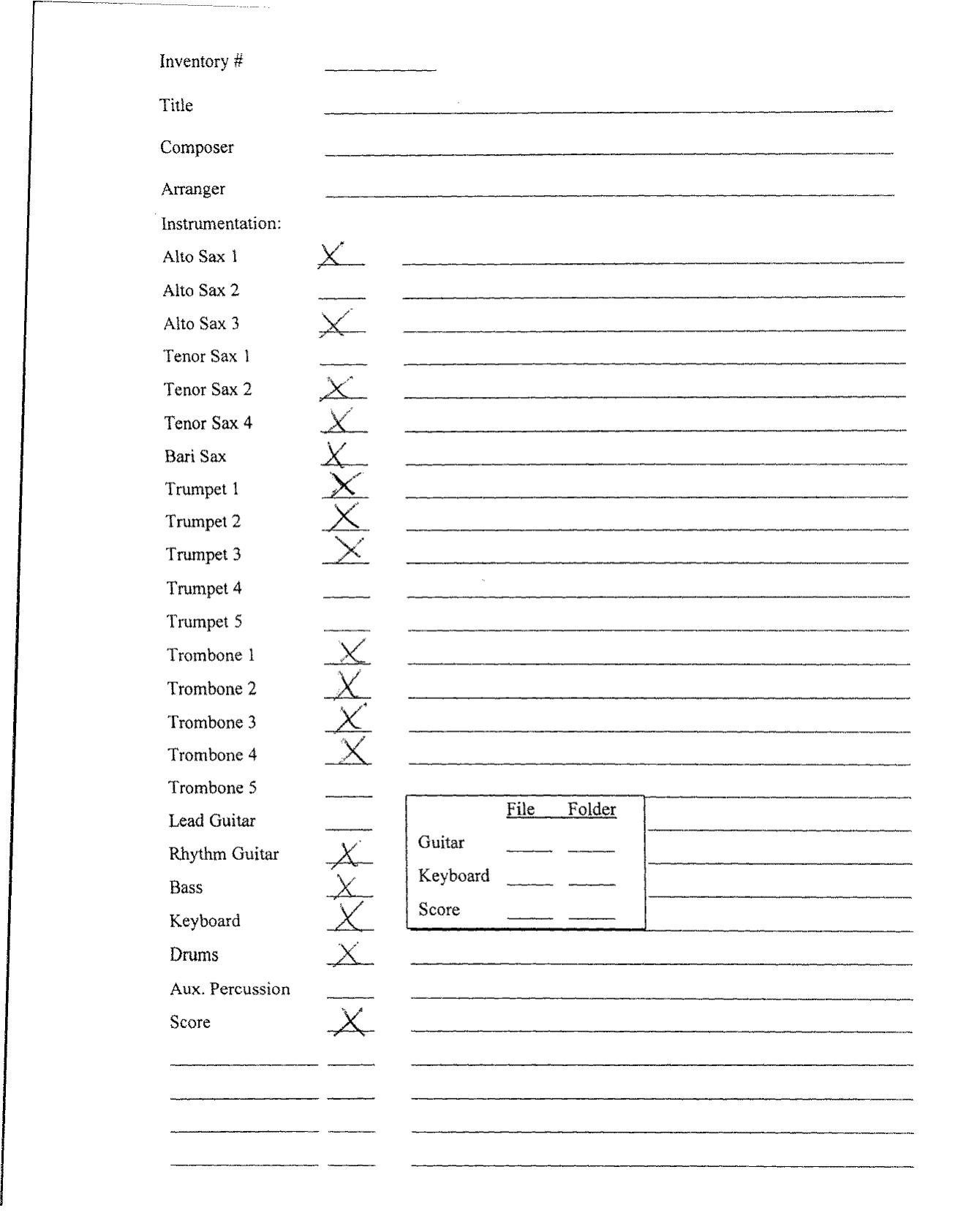
  • Instruments (15): 1st Eb Alto Saxophone, 3rd Eb Alto Saxophone, 2nd Bb Tenor Saxophone, 4th Bb Tenor Saxophone, 5th Eb Baritone Saxophone, 1st Bb Trumpet, 2nd Bb Trumpet, 3rd Bb Trumpet, 1st Trombone, 2nd Trombone, 3rd Trombone, Drums, String Bass, Guitar, Piano
  • Difficulty: medium
  • Content: Individual Parts
  • Format: PDF Download (Instant)
  • Price: $24.99

Johnny Mercer’s timeless classic "Dream," written in 1944 and famously popularized by the Pied Pipers and Frank Sinatra, stands as one of the quintessential vocal and instrumental ballads of the mid-20th-century American songbook. Emerging from the height of the swing era, the tune captures a lush, romantic optimism that resonated deeply with wartime audiences and quickly transitioned into an enduring jazz standard. Its deceptively simple AABA form houses sophisticated harmonic underpinnings, making it a favorite canvas for master arrangers seeking to evoke a dreamy, nocturnal atmosphere through rich orchestral colors. Frank Comstock’s sophisticated treatment transforms this vocal standard into a sublime instrumental showcase tailored for an intimate, highly integrated 8-instrument big band line-up (Alto Saxophone, Tenor Saxophone, Baritone Saxophone, Trumpet, Trombone, plus a robust rhythm section support). Unfolding at a relaxed, swaying medium-ballad tempo, the arrangement exudes a velvety, sophisticated mood driven by lush block-chord voicings and translucent harmonic textures. Comstock avoids heavy-handed bombast, opting instead for a warm, nocturnal aesthetic where the ensemble breathes together, utilizing close-interval horn voicings that recall the golden age of West Coast cool and sophisticated studio jazz orchestration. The structural journey of the chart relies heavily on seamless transitions between woodwind-led statements and brass warmth, with the melody initially introduced by the saxophone section before passing fluidly to the trumpet and trombone. Comstock’s signature writing shines in the subtle counterpoint and reharmonizations within the bridge, providing an evolving harmonic landscape that keeps both performers and listeners engaged. While not an aggressive up-tempo burner, the chart demands exceptional breath control, pristine intonation, and immense stylistic subtlety. Players must master delicate dynamic gradations, smooth legato phrasing, and a relaxed, behind-the-beat micro-timing to truly capture the luxurious, floating sensation implied by the title. Advanced high school ensembles, collegiate jazz labs, and professional chamber jazz groups will find this 32-page score to be an invaluable, highly rewarding addition to their repertoire. Because of its compressed 8-piece instrumentation, every player functions as a principal soloist within the section, leaving no room to hide behind massed ensemble weight. This makes it an exceptional vehicle for developing mature section balance, blend, and listening skills, while offering sophisticated audiences a refreshing, elegant alternative to standard full-big-band wall-of-sound arrangements. Achieving the authentic, velvety atmosphere of Frank Comstock’s writing requires meticulous attention to balance and blend across the 8-piece ensemble. The primary technical challenge lies in maintaining a consistent, warm tone quality at soft dynamic levels (mezzo-piano to pianissimo), particularly in the upper registers of the brass. Conductor focus should be placed on the rhythm section: the piano and guitar must outline the sophisticated chord extensions with sparse, tasteful voicings, while the bass maintains a warm, half-note or gentle walking pulse that never rushes the relaxed medium-ballad tempo. Horn players should utilize minimal vibrato, favoring a pure, breathy tone that lets the close-interval harmonies shimmer naturally. Pay close attention to dynamic swells across the bridge; these should peak organically without disrupting the calm, floating character of the chart. Rehearsals should begin with sectional tone-matching exercises, isolating the saxophones and brass separately to ensure seamless blend before integrating the full ensemble. Q: What instruments and parts are included in this arrangement? A: This arrangement is scored for an 8-instrument ensemble comprising Alto Saxophone, Tenor Saxophone, Baritone Saxophone, Trumpet, Trombone, and a standard rhythm section (piano, bass, drums), spanning a comprehensive 32-page score and parts set. Q: What is the difficulty level of this chart? A: This arrangement is well-suited for advanced high school, collegiate, and professional small-big-band ensembles due to its demand for precise intonation, mature blend, and delicate breath control rather than high-velocity technical pyrotechnics. Q: What is the historical style and context of "Dream"? A: Originally composed by Johnny Mercer in 1944 and popularized during the swing and vocal pop eras, this piece is arranged in a sophisticated, lush mid-century jazz style that emphasizes nocturnal warmth and harmonic depth. Q: What makes Frank Comstock’s arrangement unique? A: Comstock utilizes intimate, close-interval horn voicings and subtle reharmonizations tailored specifically for a compact 8-piece line-up, creating a transparent, glowing texture distinct from massive wall-of-sound big band charts. Q: What is the performance tempo and duration of this piece? A: The arrangement is set at a relaxed, swaying medium-ballad tempo (around 80-92 BPM) and typically runs for approximately 3 to 4 minutes, making it an ideal mood piece or concert contrast.

Questions and answers

What is included in the Dream (F.Comstock) PDF?
The verified current file contains a conductor score and individual parts across 32 pages.
How many instruments or parts are listed for Dream (F.Comstock)?
The verified instrumentation list contains 15 entries for this Big Band arrangement.
Who is credited for Dream (F.Comstock)?
Composer: Johnny Mercer. Arranger: Frank Comstock.
What difficulty is listed for Dream (F.Comstock)?
The verified difficulty level is medium.
Can I preview Dream (F.Comstock) before buying?
Yes. The product page provides a preview generated from the current PDF file.
How is Dream (F.Comstock) delivered?
After successful payment, the digital PDF is made available for download. The displayed price is $24.99.

Musicians Also Search For

Dream Frank Comstock PDFDream Frank Comstock sheet musicDream arranged by Frank ComstockFrank Comstock big band chartsFrank Comstock jazz arrangements PDFDream Johnny Mercer sheet musicDream Johnny Mercer big band arrangementsJohnny Mercer big band chartsDream big band arrangementsDream big band PDF downloadDream jazz sheet musicbig band sheet music downloadDream conductor score PDFDream individual parts downloadDream sheet music PDFbuy Dream sheet musicdownload Dream PDFDream jazz chartsbest Frank Comstock big band arrangementsJohnny Mercer arranged by Frank ComstockDream printable sheet musicbig band repertoire PDF

All arrangements by Frank Comstock All Johnny Mercer sheet music